Custom handwoven bags cost varies by six variables, six cost components, and hidden B2B fees. Learn what moves quotes and what to prepare.
Custom Handwoven Bag Pricing: What B2B Buyers Should Expect
Custom handwoven bags cost moves with six variables: material, weave density, size, order quantity, hardware, and packaging. Final figures are confirmed at quotation, but B2B buyers usually see predictable ranges once those inputs are fixed.
Material, weave density, and MOQ usually move custom handwoven bags cost more than the fiber name alone.
The price is not one number. Raw material, labor, hardware, packaging, sampling, and freight each react differently to the same brief, so two quotes for the same woven tote can still diverge sharply.
A seasonal buyer comparing tote and bucket bag quotes should treat the first quote as a working range, not a final number. The practical next step is to lock the tech pack, then ask for a quotation that separates each cost line.
Key Takeaways
Quotes float with six variables, so final figures are confirmed at quotation.
Material and labor usually dominate; sampling and freight are the hidden add-ons.
Small batches often raise per-unit cost even when the design stays unchanged.
Tighter weave density and larger size usually increase both labor and material share.
Cost Components in a Custom Handwoven Bag: Materials, Labor, Hardware, Packaging, Sampling, Freight
The handwoven bag unit price is built from six cost components: raw material, labor, hardware, packaging, sampling, and freight. For B2B buying, the useful question is not the cheapest line, but which line moves when you change the brief.
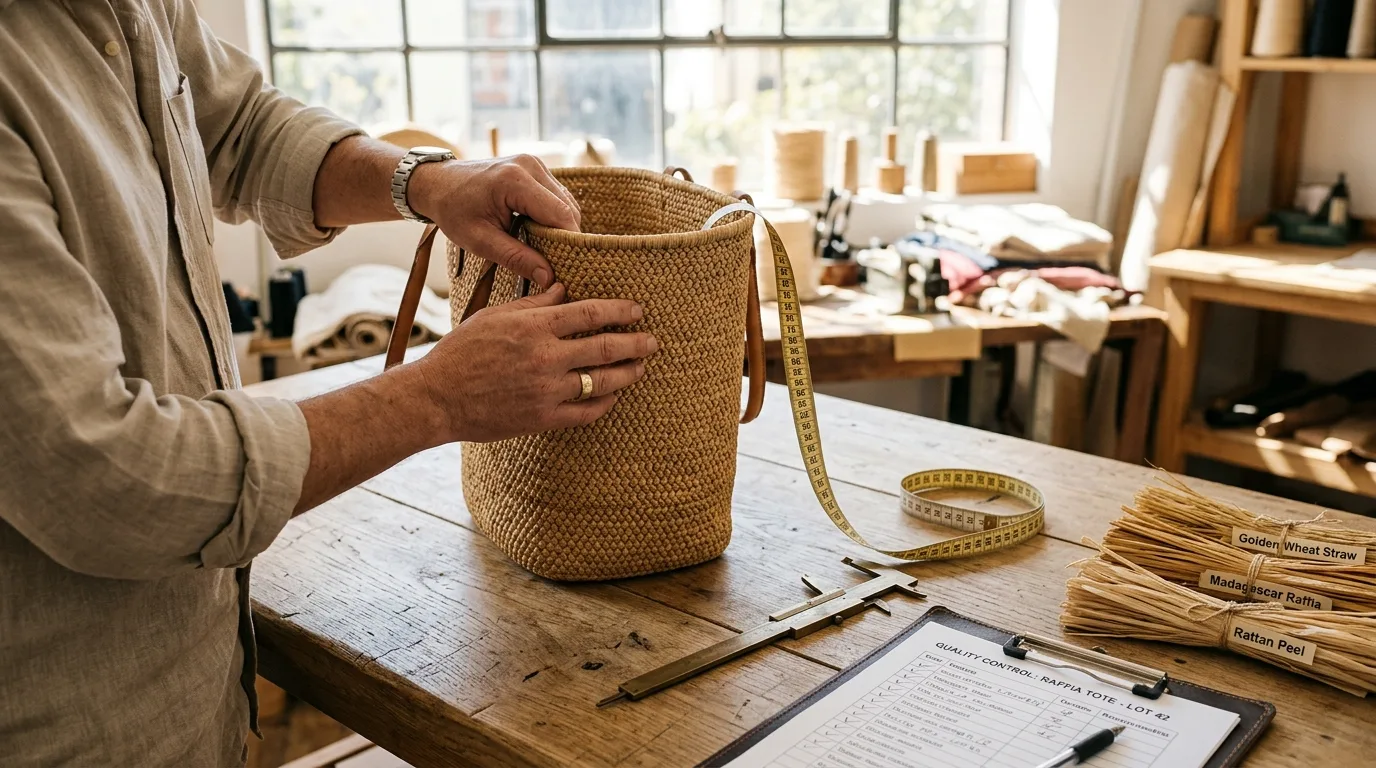
Raw material usually reflects fiber grade and weave density. Labor rises with larger panels, tighter structures, more finishing steps, and any hand assembly that slows output.
Material and labor together usually take the largest share, while hardware, packaging, sampling, and freight fill the remaining bands. Under standard bulk production, the share mix shifts by style, destination, and order size.
| Cost component | Typical share range | Main influencing variables |
|---|---|---|
| Raw material | Dominant share in many projects | Material, weave density, size |
| Labor | Dominant share in many projects | Weave density, size, order quantity |
| Hardware | Lower to mid share | Material, size, style |
| Packaging | Low to mid share | Packaging spec, size, order quantity |
| Sampling | Project-based share | Material, size, order quantity |
| Freight | Variable share | Size, order quantity, destination |
| In cross-supplier cost modeling, material and labor form the main cost base, while freight and packaging scale faster on larger bags and export shipments. The structure is consistent across woven categories, even when the headline quote looks very different. |
Six Variables That Move the Price: Material, Weave Density, Size, Order Quantity, Hardware, Packaging
Material and Weave Density
Material sets the starting band, but weave density often changes the final number more. Loose structures use less fiber and less labor, while tighter structures consume more time and more material.
Rush straw, seagrass, water hyacinth, rattan core, and paper cord do not price the same way in every project. The same fiber at a tighter weave is not equivalent to a looser weave at the same nominal grade.
In our material-sourcing experience across rush straw, seagrass, water hyacinth, rattan core, and paper cord, fiber grade and weave density move raw-material cost more than the fiber name itself. ASTM material testing methods are useful when buyers want a consistent basis for comparing durability claims.
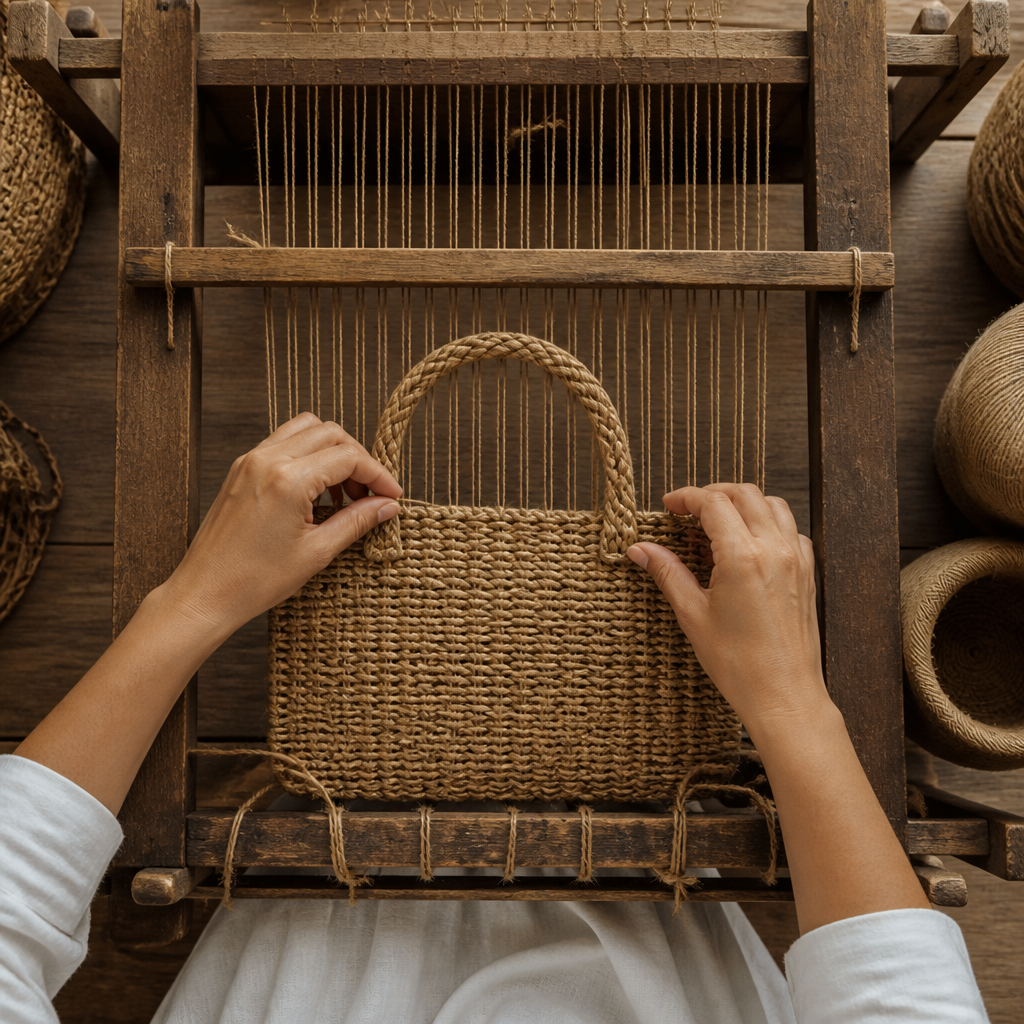
Weave density and bag cost are linked more tightly than material name alone.
Size, Hardware, and Packaging
Size changes both material consumption and labor time. Hardware and packaging add smaller line items individually, but they become visible when a style uses metal closures, reinforced handles, or premium retail boxes.
A larger tote usually needs more surface area, longer seams, and more packaging volume. A bucket bag may need less panel area, but drawstring, lining, or closure details can offset that savings.
In practical sourcing, size and hardware usually move the quote faster than buyers expect. A D-ring, magnetic snap, or heavier gift box can shift the total more than a small change in fiber grade.
Style Matters: Tote vs Bucket vs Basket vs Clutch vs Crossbody vs Hobo Pricing Differences
Tote and Bucket Bags
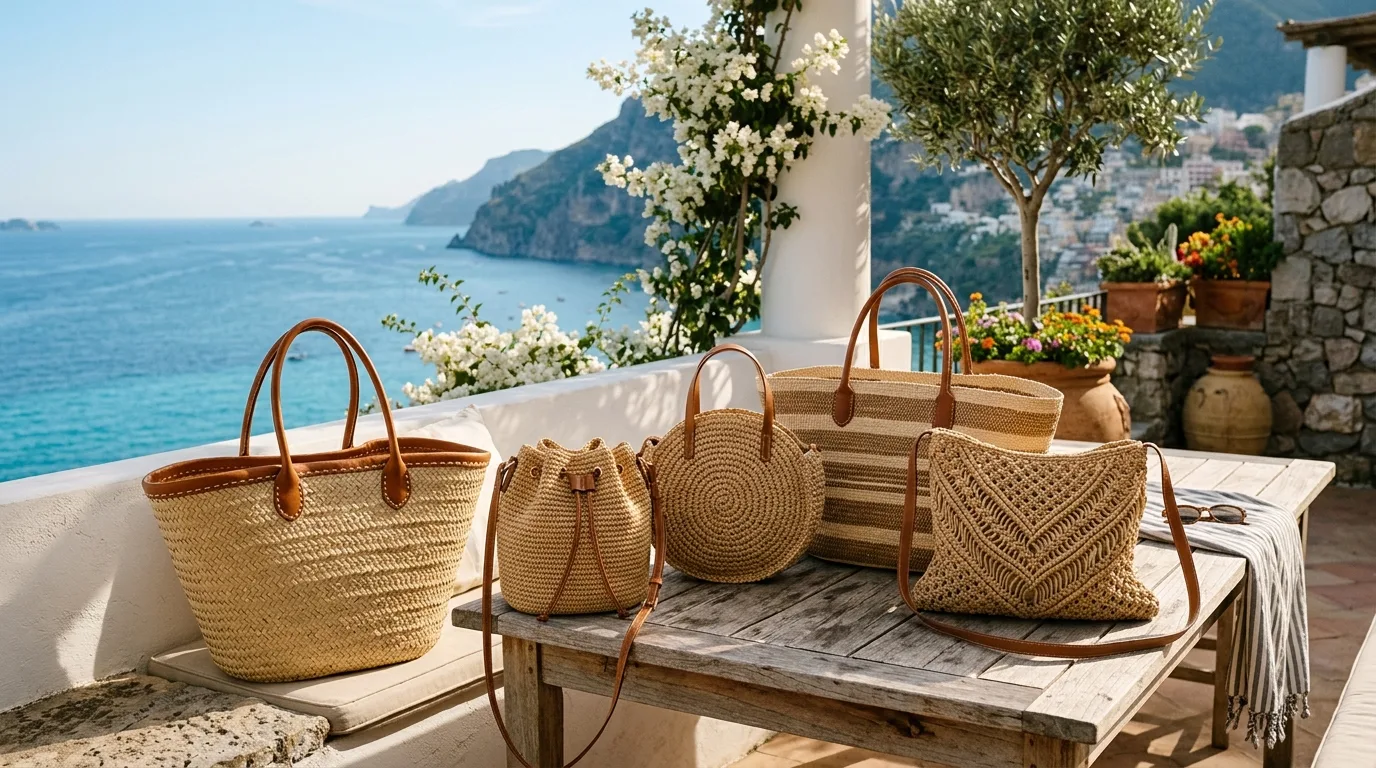
Totes and bucket bags usually sit in the middle of the price range. Totes are often easier to scale, while bucket bags can cost more when closures, lining, or structure control are added.
The tote wins on simple panel construction and easier packing. The bucket wins on shape-driven merchandising, but the tradeoff is usually more shaping labor and more finishing steps.
For a seasonal private-label order, a woven tote often prices more predictably than a bucket bag with mixed trim. That difference is usually driven by construction time, not just size.
Basket Bags
Basket bags often carry higher labor risk than buyers expect. The open structure can be simple in appearance, but edge finishing, symmetry, and handle attachment still need control.
A basket bag can look minimal and still require careful alignment. The tradeoff is visual impact versus production consistency, especially when the weave pattern must stay even across a large body.
Basket styles are common in home-goods and resort assortments, but they are less forgiving than flat totes. When the silhouette is large and open, rejection risk rises if the weave is uneven.
Clutch, Crossbody, and Hobo Bags
Clutches often cost less in raw material, but not always in finishing. Crossbody bags add hardware and strap work, while hobos usually need more shaping and softer structure control.
The clutch wins when the brief is compact and decorative. The crossbody wins when function matters, but hardware and strap assembly add cost; the hobo sits between the two on labor intensity.
For handwoven bags, shape complexity can outweigh size. A small clutch with premium trim may cost more than a larger tote if the finishing scope is heavier.
Hidden Costs B2B Buyers Often Miss: Sampling Fees, Revision Loops, and Tooling
The most common hidden costs are sampling fees, revision loops, and tooling. These are often absent from the first quote, so the headline number can understate the real custom handwoven bags cost.
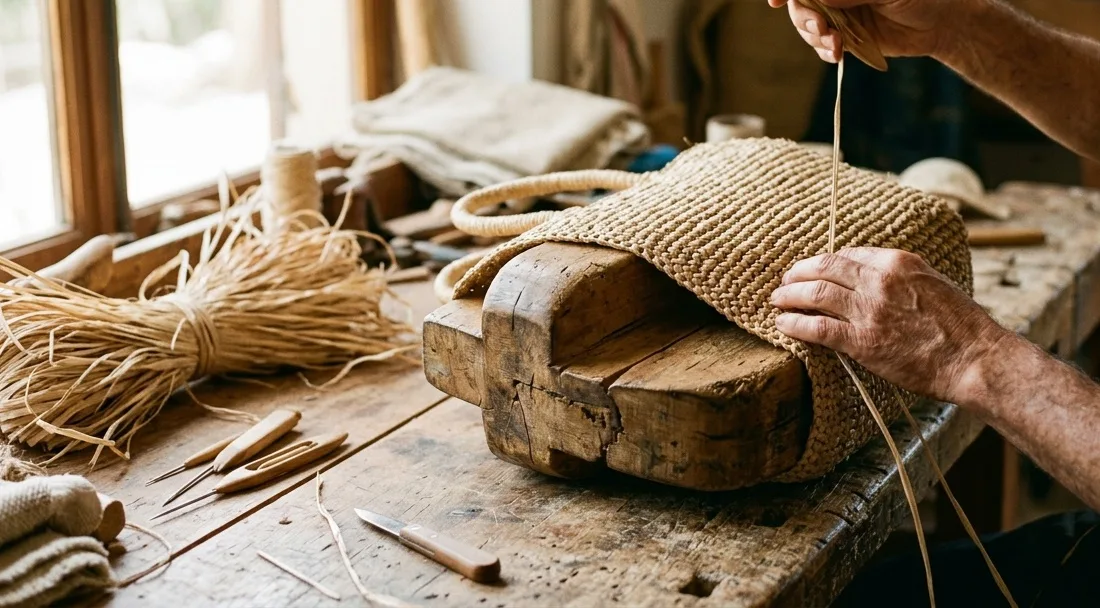
Sampling usually starts with one prototype and then moves through correction rounds before bulk approval. Each change to artwork, size, or handle proportion adds calendar time and sometimes extra material loss.
In our sampling programs across custom handwoven bag projects, prototypes typically go through 1-3 revision rounds before artwork, size, and handle proportions lock — each round adds calendar time that bulk-production schedules rarely absorb.
Ask whether the handwoven bag sampling fee is deductible from bulk.
Confirm how many revision rounds are included before extra charges start.
Check whether tooling, molds, or special trims are quoted separately.
Verify whether packaging mockups are part of sampling or billed later.
MOQ, Lead Time, and Order Volume: Why Small Batches Cost More Per Unit
MOQ for custom handwoven bags matters because setup cost is spread across the order. Smaller batches usually cost more per unit, even when the design and material stay the same.
The economic logic is simple. Sampling, cutting, setup, and QC are partly fixed, so low volume leaves less room to amortize them; larger orders lower the unit burden.
Choose a smaller batch if you are testing a new style, a new market, or a short seasonal window. Choose a larger MOQ when repeat sell-through is likely and the style is stable enough to lock before production.
Common Misconceptions: Why the Lowest Quote Is Rarely the Lowest Total Cost
The lowest quote often excludes something important: sampling, heavier hardware, tighter weave density, or better packaging. The result is a lower headline price but a higher total landed cost.
A cheaper quote can also signal a looser spec. Lower labor time, thinner trim, and reduced QC each cut price, but they raise the risk of rework, claims, or missed merchandising standards.
Before comparing suppliers, ask for the same scope on every line. ISO quality standards are useful when you want the same testing logic applied across quotes, not just the same bag photo.
How to Request an Accurate Quote: What to Prepare Before Contacting a Handwoven Bag Supplier
How to price custom woven bags starts with a complete brief. The supplier needs target size, material reference, weave density target, hardware, packaging, MOQ, and destination port.
Choose a detailed tech pack if you need a tighter quote band. Choose a reference sample if the style already exists and you want the factory to mirror an approved shape or finish.
A buyer comparing two tote programs should send the same measurement sheet, the same packaging spec, and the same delivery term. That is the fastest way to make the quotes comparable and final figures confirmed at quotation.
Production Timeline Realities: Sampling, Revision, Bulk, and Shipping
Handwoven bag production lead time usually spans sampling, revision, bulk production, QC, and ocean freight. The full cycle is typically several months, not a few weeks.
Each stage has its own delay risk. Sampling waits for material approval, revisions wait for buyer feedback, and bulk scheduling depends on whether the factory can lock labor and fiber supply.
Total lead time for a custom handwoven bag order typically spans sampling, revision, bulk production, QC, and ocean freight — usually several months end-to-end.
Frequently Asked Questions About Custom Handwoven Bag Pricing
- How much does a custom handwoven bag cost per unit?
- It floats with material, weave density, size, MOQ, hardware, and packaging. Final figures are confirmed at quotation, so ask for a scoped range rather than a single number.
- What is the typical MOQ for custom handwoven bags?
- MOQ varies by style and material, and small batches usually cost more per unit. The final MOQ is confirmed at quotation.
- Are sampling fees included in the final bulk price?
- Often they can be deducted from the bulk order if that is agreed in writing. Do not assume that is automatic.
- Which style is cheapest to produce — tote, bucket, or clutch?
- Totes are often the most predictable, while clutches can look simple but still need heavy finishing. The cheapest style depends on construction, hardware, and packaging.
- Does weave density change the price?
- Yes. Tighter weave density usually raises both material use and labor time.
- How long does a custom handwoven bag order usually take?
- Sampling, revision, bulk, QC, and shipping usually take several months end-to-end. The exact window depends on order size and destination.
- Why are two quotes for the same bag so different?
- The usual reasons are hidden assumptions: different weave density, different hardware, different packaging, or different sampling scope.
For B2B buyers, the safest next step is to compare quotes line by line, not just by headline price. If you need a project-specific range, prepare the tech pack and then request a quotation via /en/contact.